Ashurbanipal Library
Home to the largest and most extensive collection of Assyrian texts in the world, in Assyrian, English, Arabic and other languages.
- Visits
- By appointment
- Collection
- Thousands of books and journals
- Oldest
- Rare books over a century old
- Where
- Lincolnwood, IL


Library hours
Visits are by appointment. Email Library@acf-us.org or book a time online.
Library hours
- MondayTodayClosed
- TuesdayToday2:00 to 8:00 PM
- WednesdayToday10:00 AM to 4:00 PM
- ThursdayToday2:00 to 8:00 PM
- FridayToday10:00 AM to 4:00 PM
- SaturdayToday10:00 AM to 4:00 PM
- SundayTodayClosed
All hours are Chicago time. Call (773) 863-3538 with questions.
Explore the collection

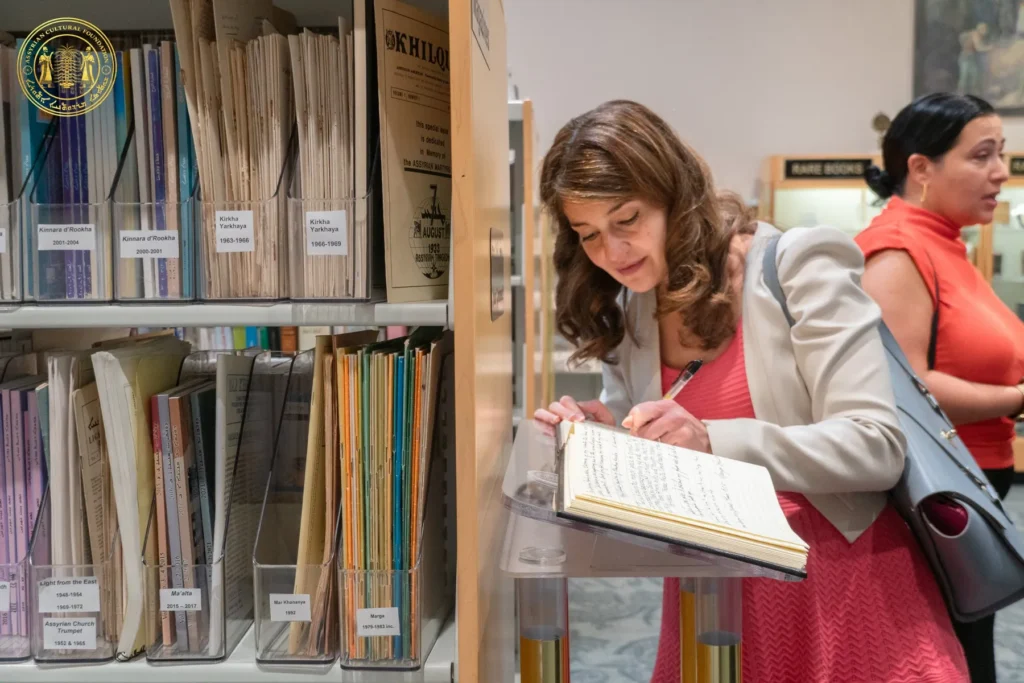
Archive of Assyrian journals
More than a thousand Assyrian journals published around the world over the last century, including the Assyrian Star and Gilgamesh Magazine. The archive dates back to the early 1900s and shows what day-to-day life was like for Assyrians over the last hundred years.
The Khoudra
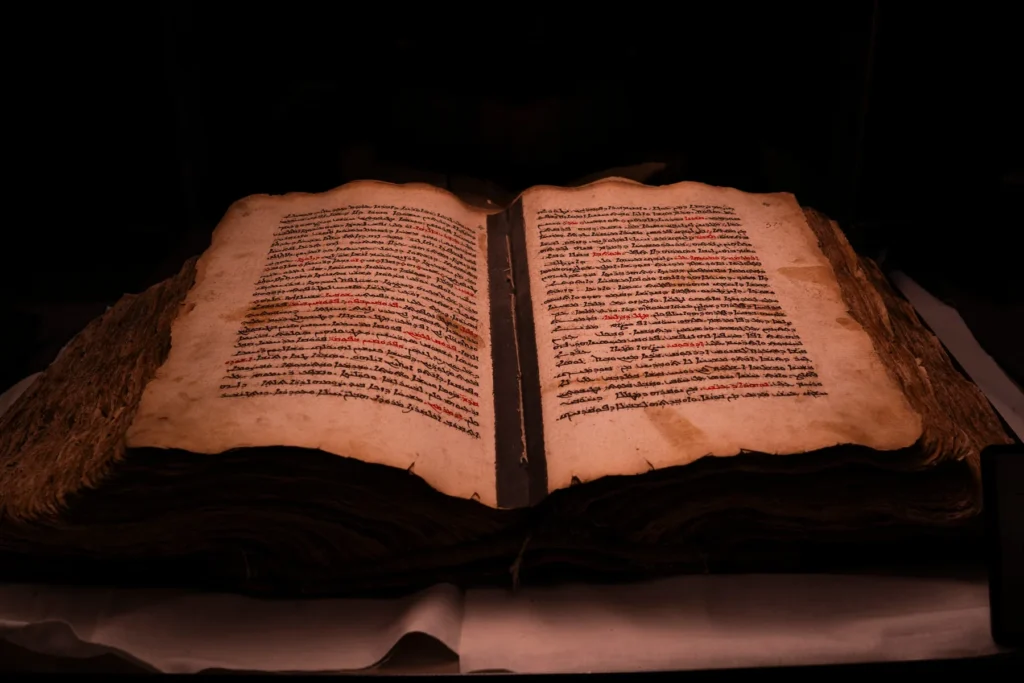
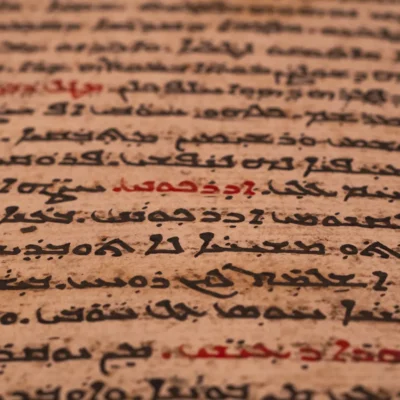
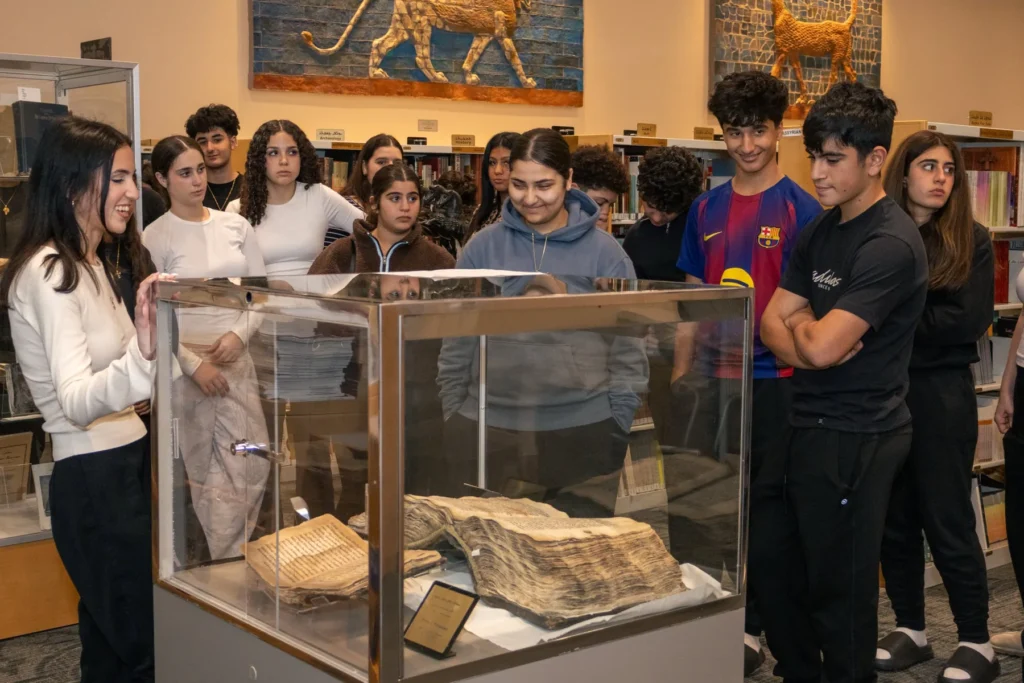
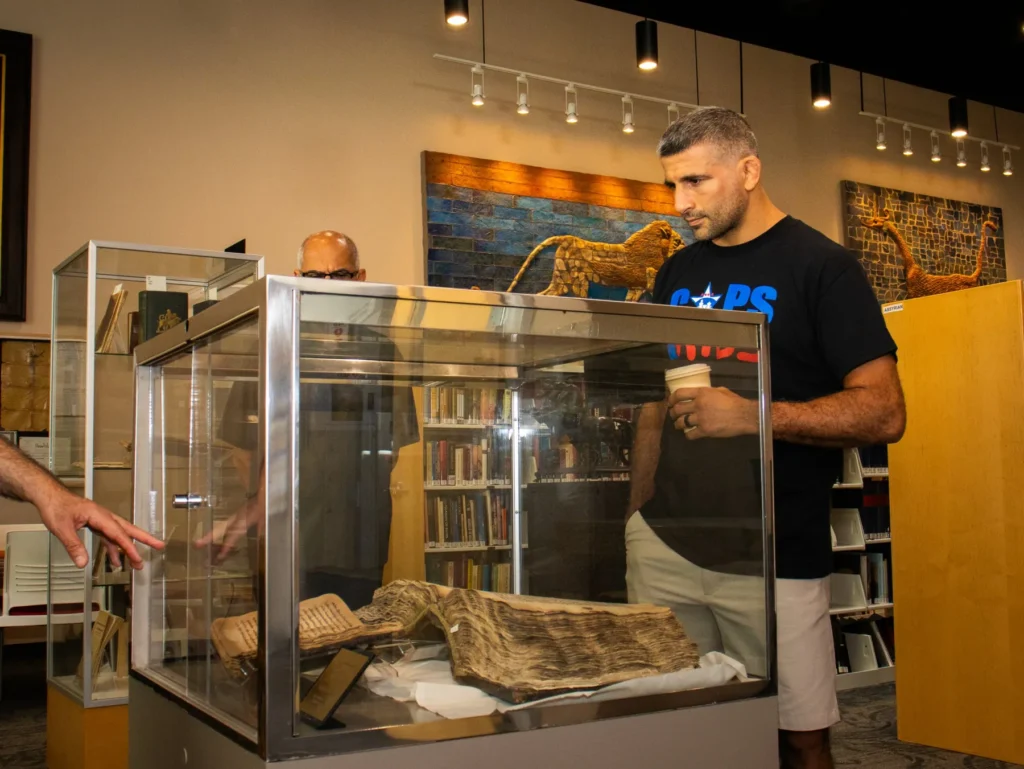
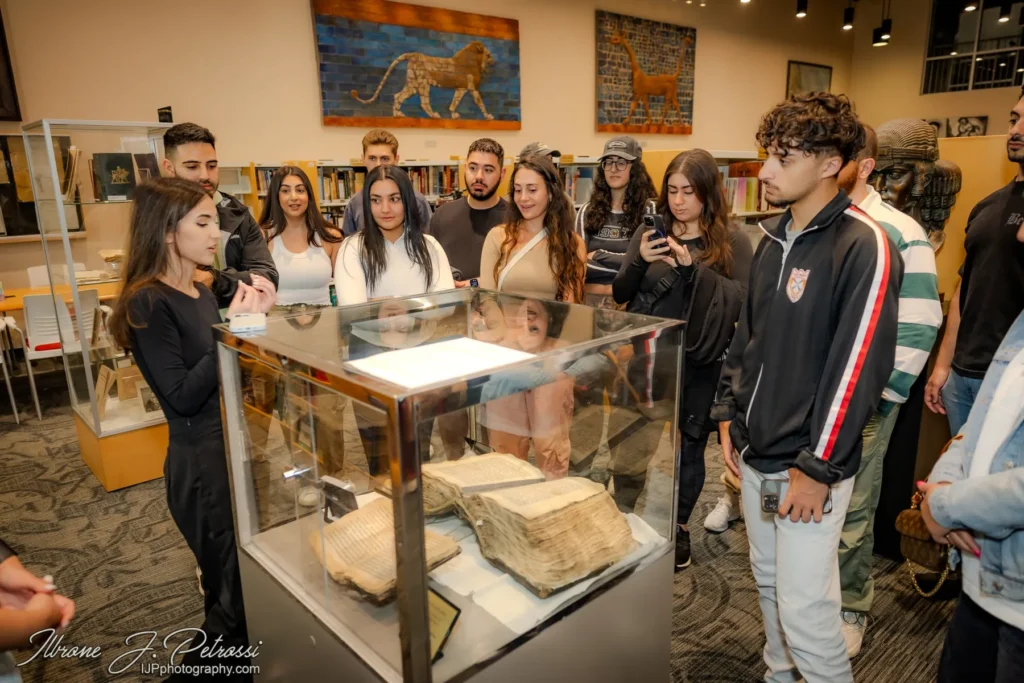
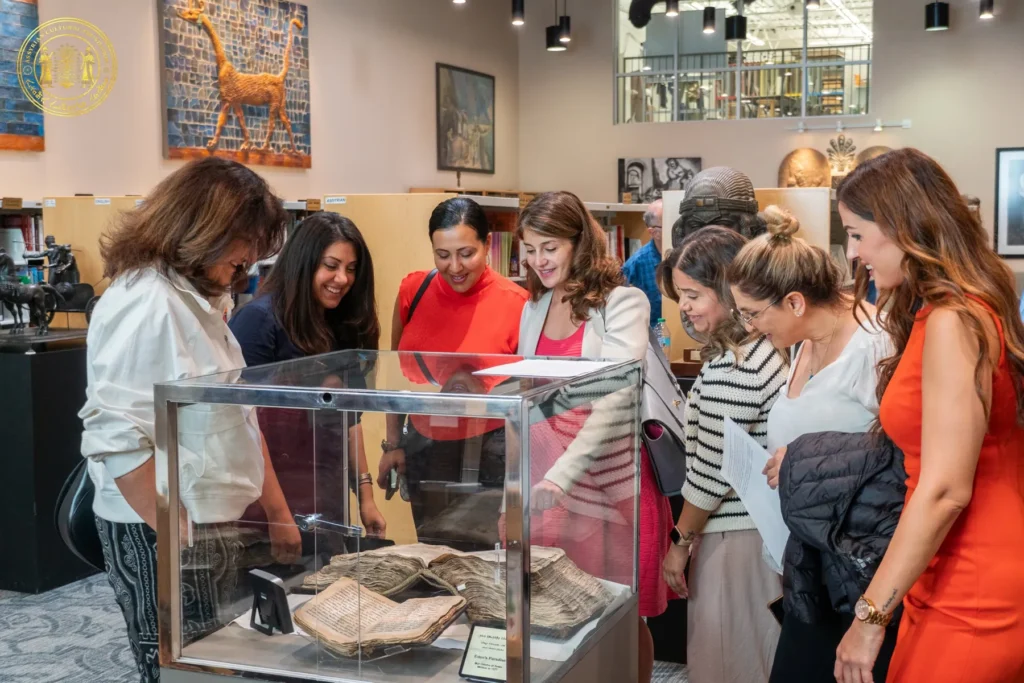
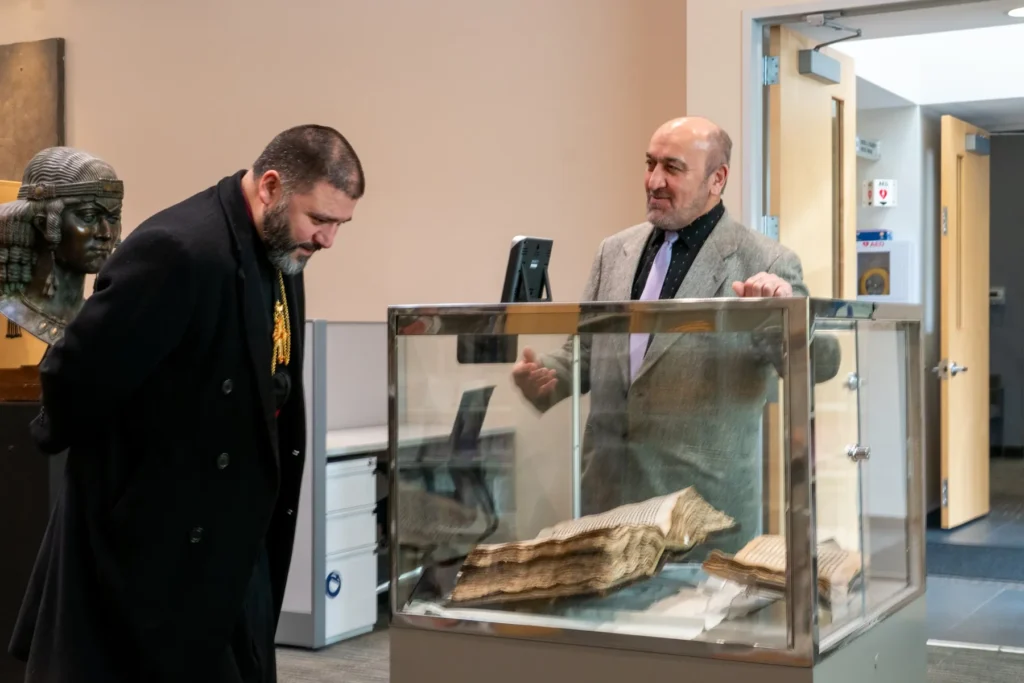
Handwritten in 1676 in the Assyrian village of Akhasim, this Khudra is the book of ritual daily prayers of the Church of the East. Notes inside record the consecration of priests and bishops and the building of churches, and at its center is a curse on anyone who uses the book for profit.
More than 30 years ago, members of the Ashurbanipal Library found it in a bookstore and raised the money to bring it home to an Assyrian library.
“The book itself is kind of a personification of Assyrian history.” Robert DeKelaita
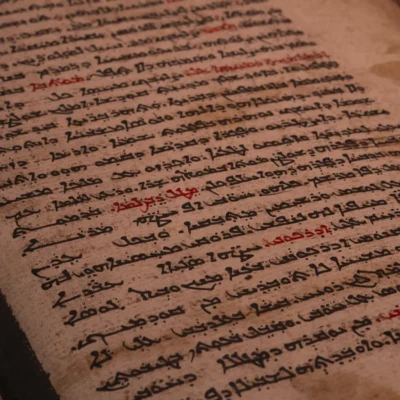
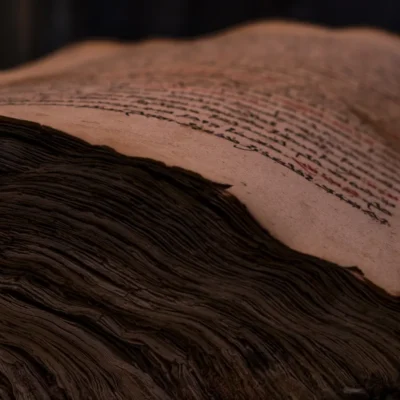
Read the story of how it was found
Over 30 years ago, in the old bookstore of O’Gara and Wilson, we stood chatting before paying for some old books. Peter Bet Basso and I had just found some interesting books to purchase for the Ashurbanipal Library that we had cared for. It was a weekly ritual for us; we would often hunt around for books on Assyrian history for the library.
“What language are you speaking,” one of the owners asked us.
“Assyrian,” I said.
“That’s interesting. I bought a few books I’d love to show you from an Assyrian holy man.”
Peter and I were very interested. We asked to see the book. “Not now,” said the bookseller. “Come tomorrow.”
The next day I came to the bookstore, I was led down an old hallway, then a creaky and dark staircase, and finally into a room with a large wooden box. The man opened the box, took out a large book with leather and wood covers, placed it on a desk, and opened it to pages in the center.
I was overcome with many emotions. This ancient book, with tattered pages, had the language of my fathers on it. It smelled of bisma, or incense, from a church long ago. Its writing was by hand, of course, a skilled hand. But I was too lacking in knowledge to know what it was and so asked the man to allow me to bring our scholars to see it.
A few days later, with a number of persons who knew better, we again visited the ancient book. This time, the Assyrian priest with us knew exactly what the book was and what year it was written in.
“This is the Khudra,” the priest said, “the book of ritual daily prayers of our Church.” It was written in the village of Akhasim, which was no longer extant, in 1676. On it were notations, telling the history of the consecration of this priest or bishop, the building of this or that church, and other significant occasions. In the center of the book also was a curse upon those who use the book for profit. After some time, David Malick and I, along with other members of the Ashurbanipal Library, raised the money to purchase the book. After travelling for centuries, the book found its home in an Assyrian library. We were thrilled and proud that a treasure belonging to our people had returned ‘home.’
When you look at this book, recall the long road it has taken to be here. Recall that the Assyrian scribe who wrote it took great pains to pass on the Christian Assyrian heritage to the future generations. Recall also the hands that bound the book in the protective wood and leather so that it would last the centuries. Recall the priests and bishops that have held it and prayed with it by candlelight in remote villages high in the mountains. Try to hear their prayers and chants and smell the fragrance of the bisma they used.
And recall, most of all, the language it was written in hundreds of years ago; a language that is spoken and written around you. Resting before you is a treasure that holds an ancient heritage that spans centuries. I hope your joy is as great as mine was over 30 years ago.
Photographs and text © Assyrian Cultural Foundation. All rights reserved. Not to be copied or reused without written permission.
Our story
Founded by Assyrian students in Chicago more than 40 years ago.
Where it started
Devon and Claremont Avenues, Chicago
A group of Assyrian university students saw that every library in Chicago had only a small Assyrian section, and nowhere kept all Assyrian books and magazines together. With little money, they rented a former liquor store at Devon and Claremont Avenues and filled its shelves with books. It was first called the Assyrian American Library, then renamed after King Ashurbanipal, who had gathered the knowledge of the ancient world in his library at Nineveh.
Families answer the call
Gathering the knowledge
Many families had books at home and old magazines from the 1920s stored in their basements. The students asked them to bring them in, and once people saw the library was serious, they donated books and money.
A home at the Assyrian Universal Alliance Foundation
7055 North Clark Street, Chicago
The late Helen Schwarten and Senator John Nimrod invited the library into the Foundation's space, near Mar Gewargis Church. For about ten years, volunteers stayed late cataloging books and preparing lectures with guests from overseas, alongside the Foundation's elderly care, job and language programs. Here the library and the Foundation became one, and the collection grew.
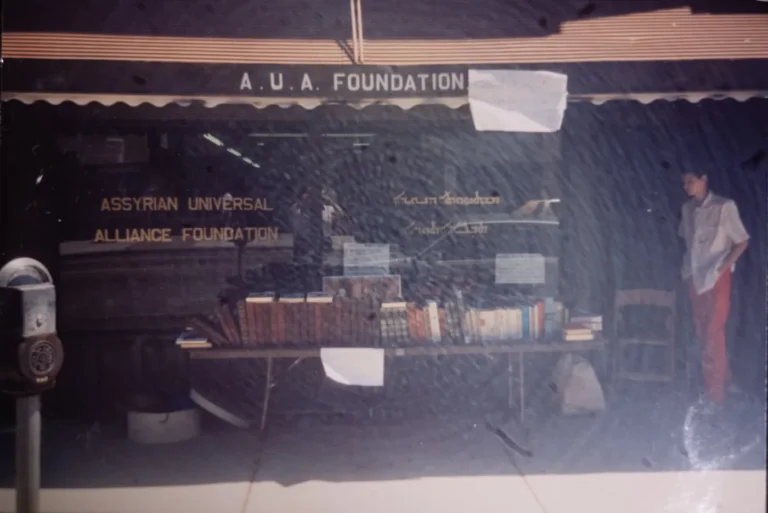
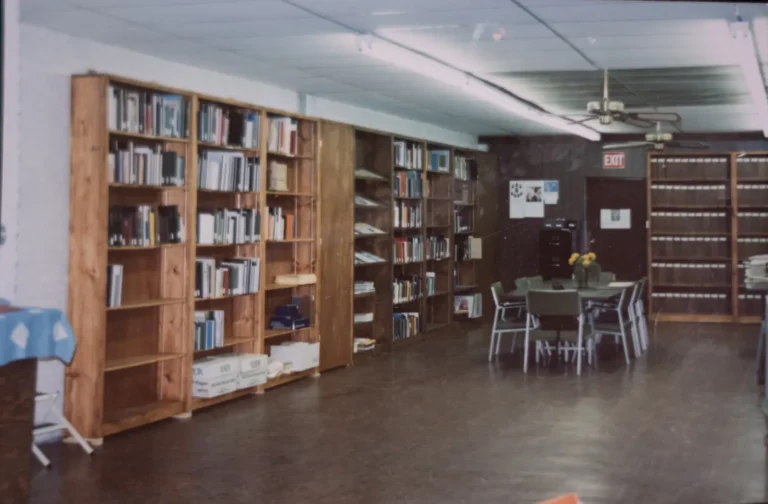
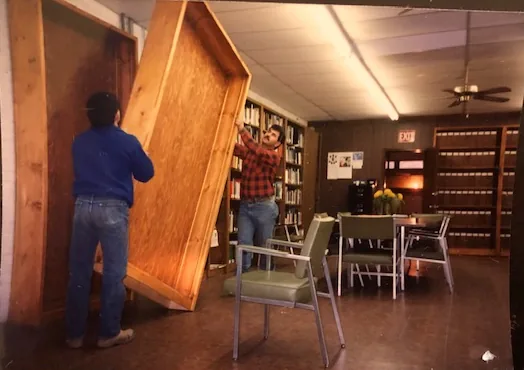
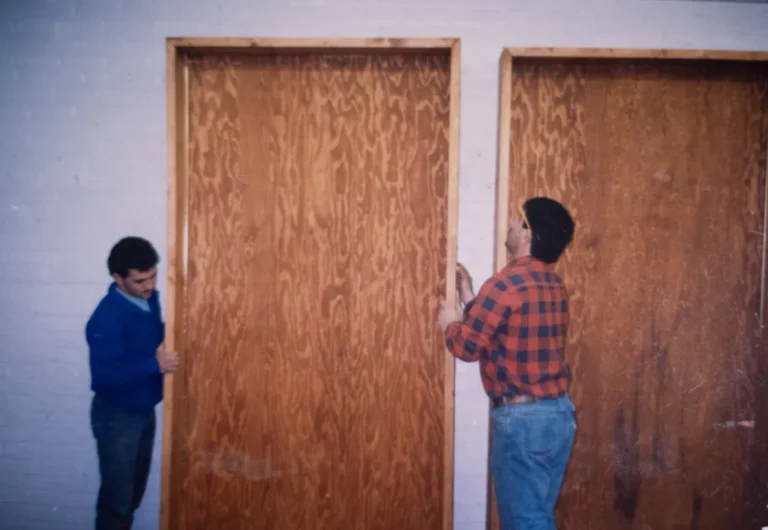
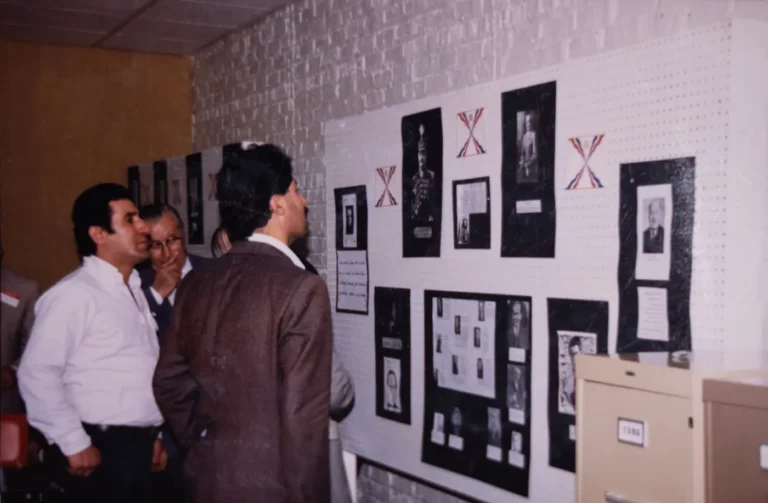
The library today
Lincolnwood, Illinois
Through the vision of the late Homer Ashurian, an Assyrian archaeologist and former director of the AUAF, and the work of many people at the Foundation, the library grew into the landmark it is today. The next goals: scanning documents so Assyrians worldwide can read them, and sharing knowledge with Ashurbanipal libraries in Australia and California.
“The books are going to be voices from the past that will never be quiet.”
Those who helped in the earliest days
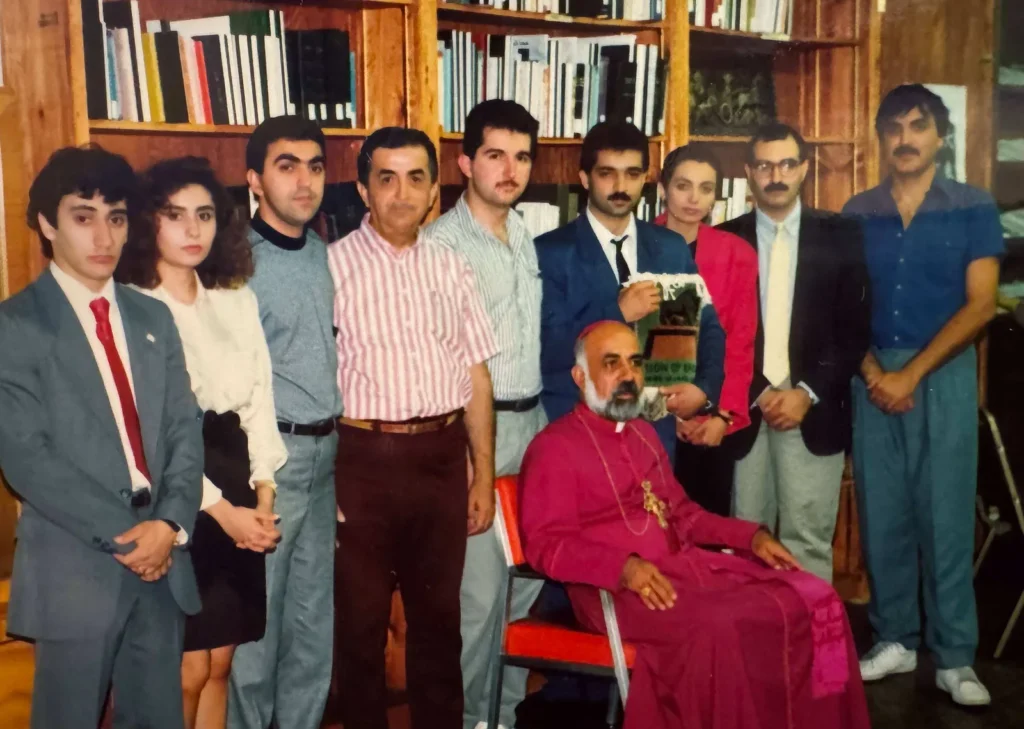
- Sargis Sangari
- Marina Shapira
- Mark Marcus
- Khoshaba Jasim
- Peter Bet Basoo
- Robert DeKelaita
- Ester DeKelaita
- David Malick
- Hanna Hajjar

King Ashurbanipal
King Ashurbanipal (668 to 627 BC) is considered the last strong king of the Assyrian Empire. He is known for amassing a great collection of cuneiform tablets at his royal palace in Nineveh, the capital of Assyria. That collection was the first library and included important texts like the Epic of Gilgamesh. Known as the Library of Ashurbanipal, it is now housed at the British Museum.
Source: Robert DeKelaita, interviewed on The Susan Show, Episode 6, for the library's 40th anniversary.
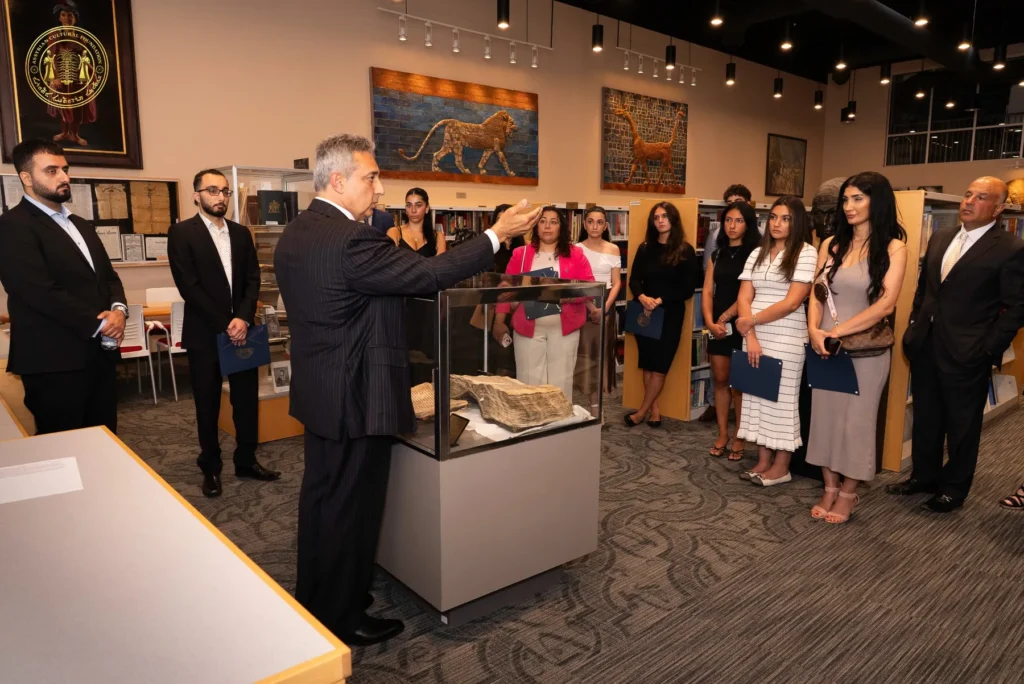
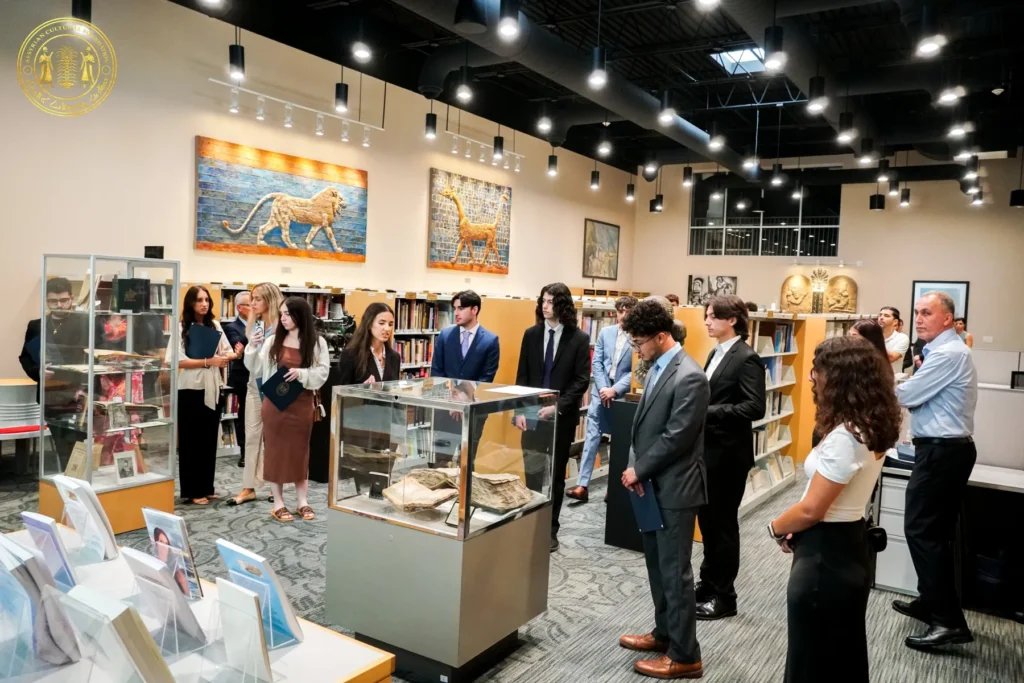
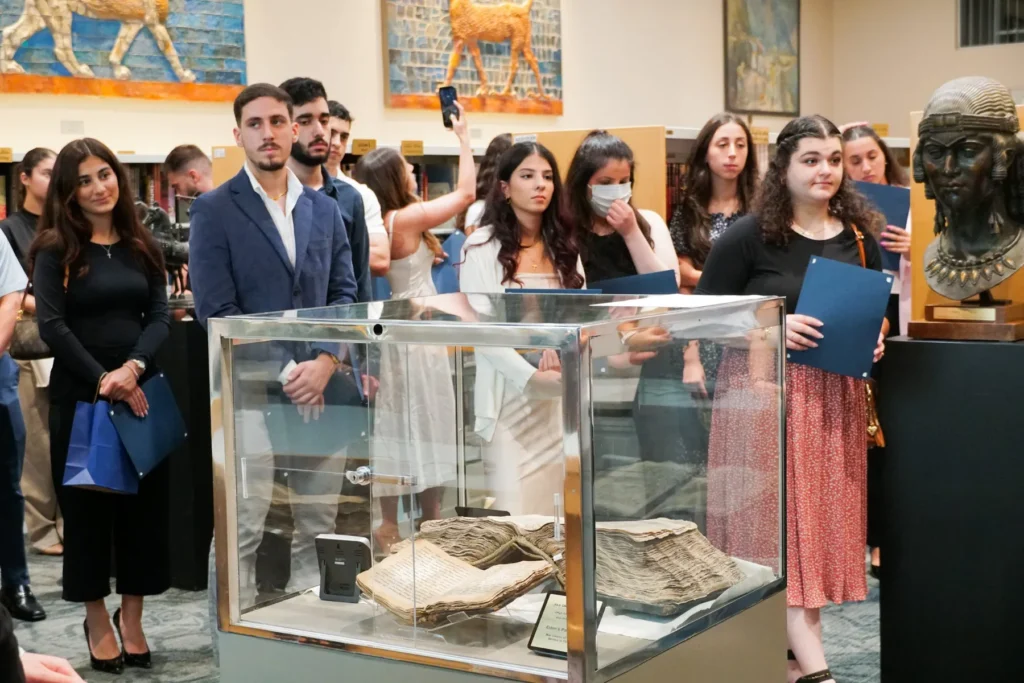
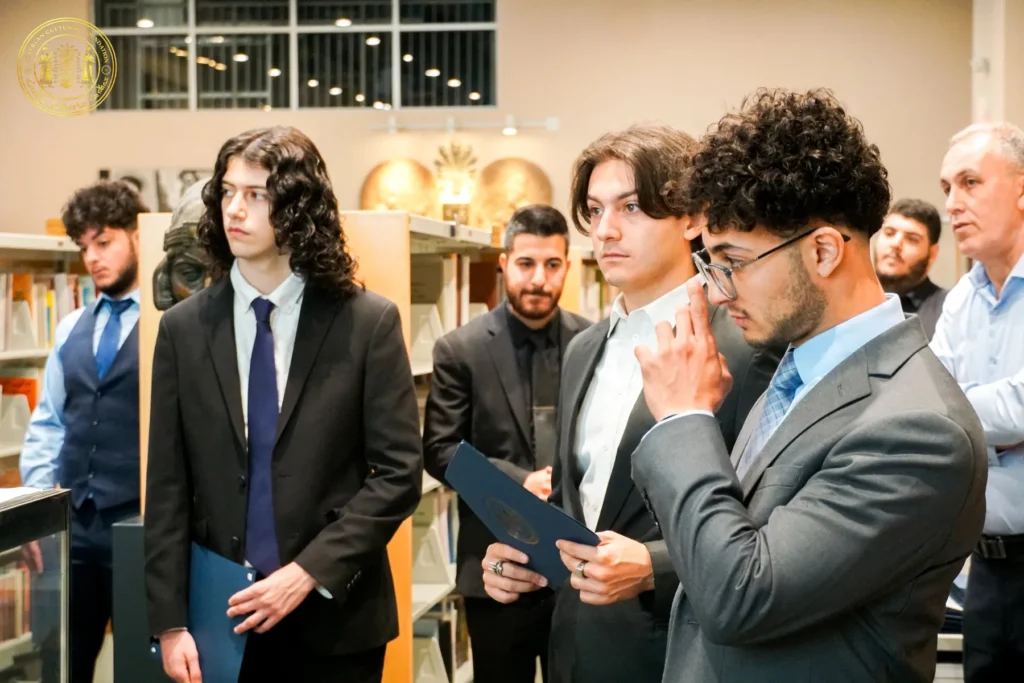
Visitors to the library
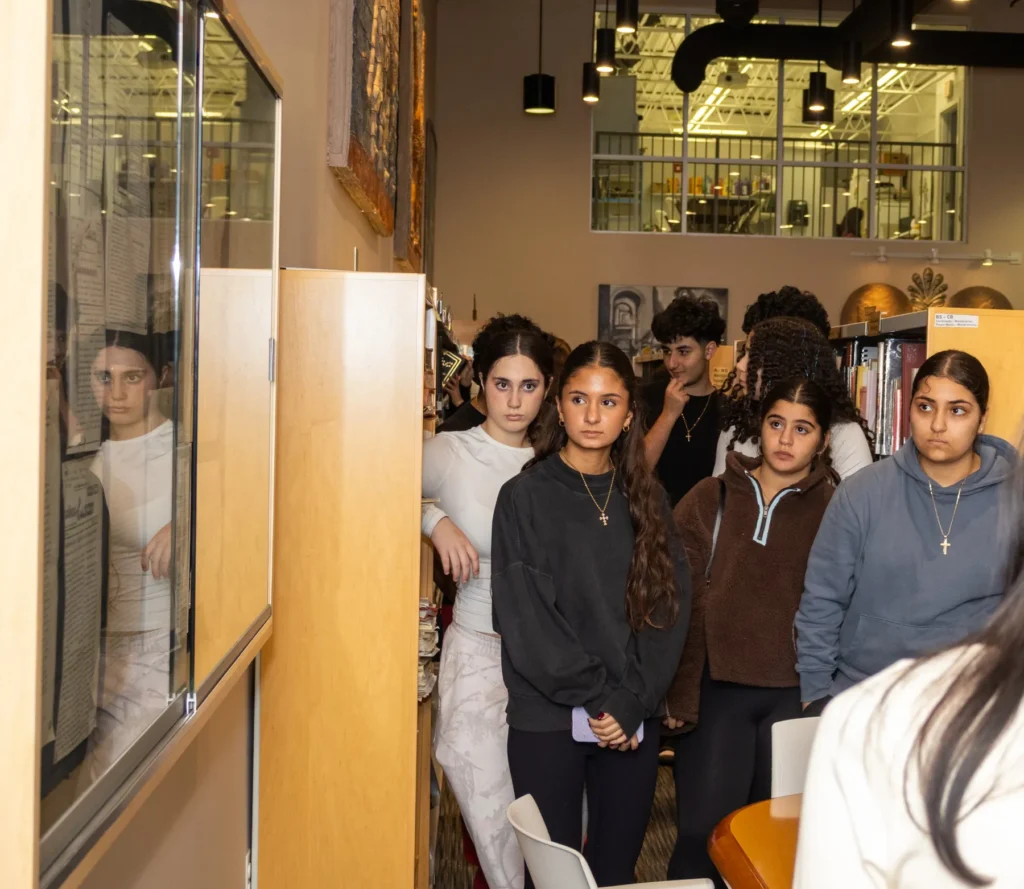
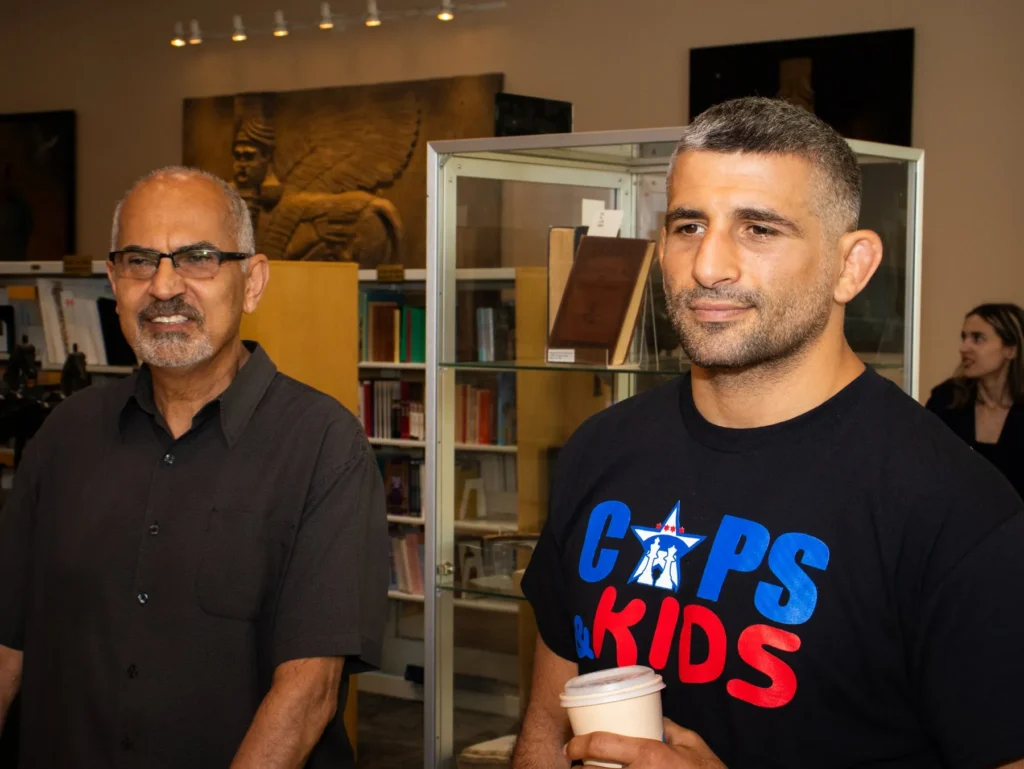
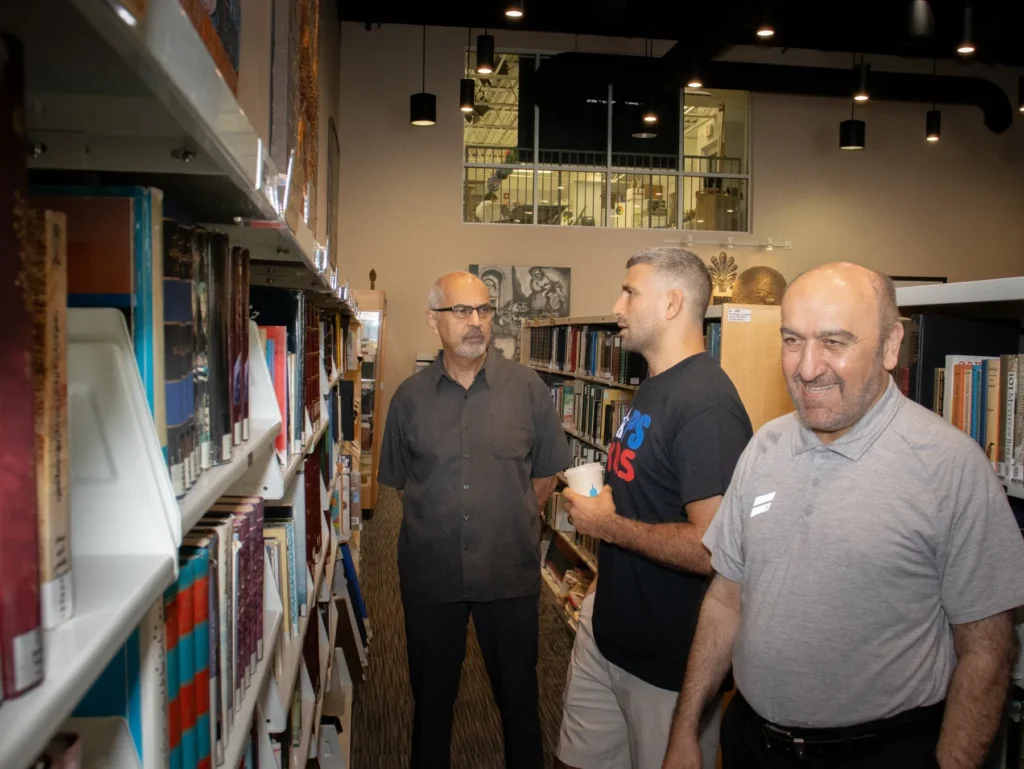
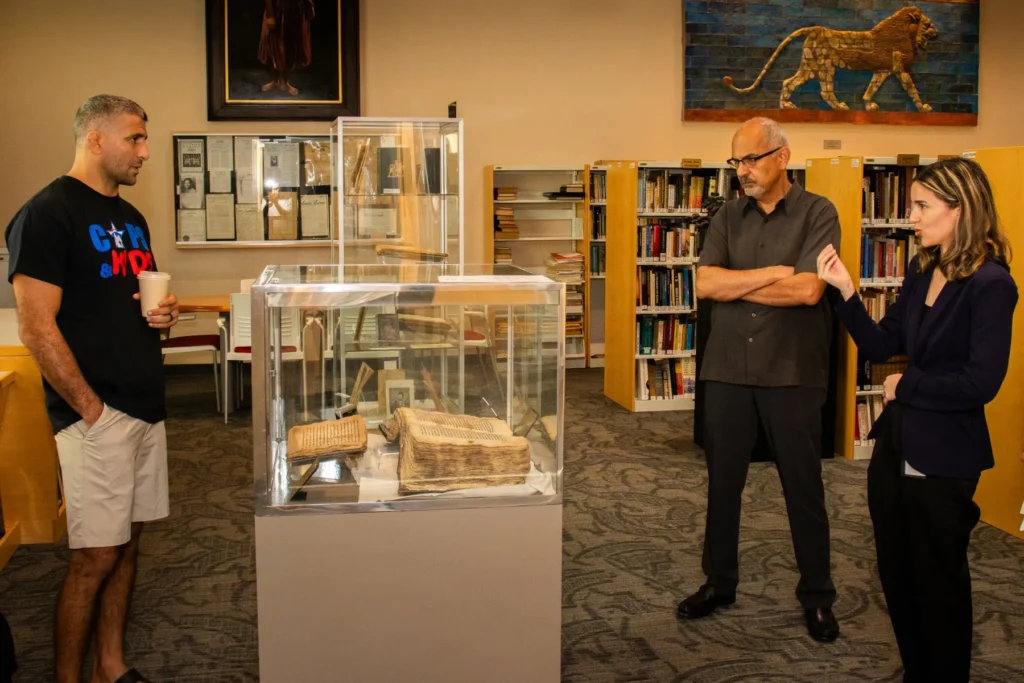
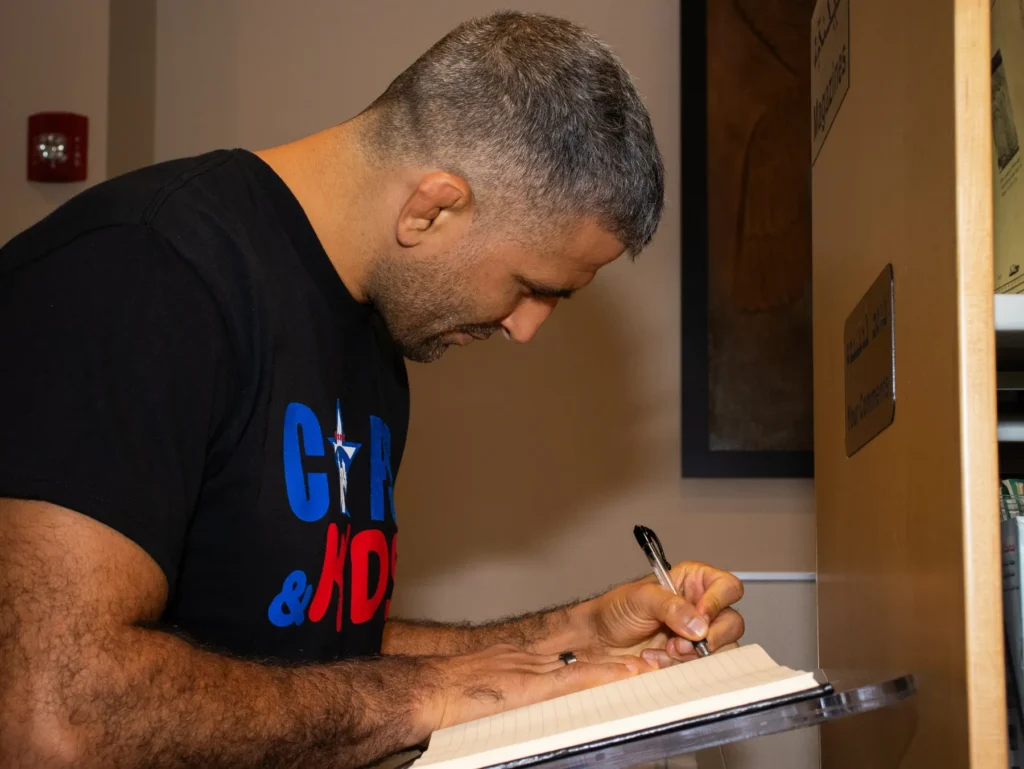
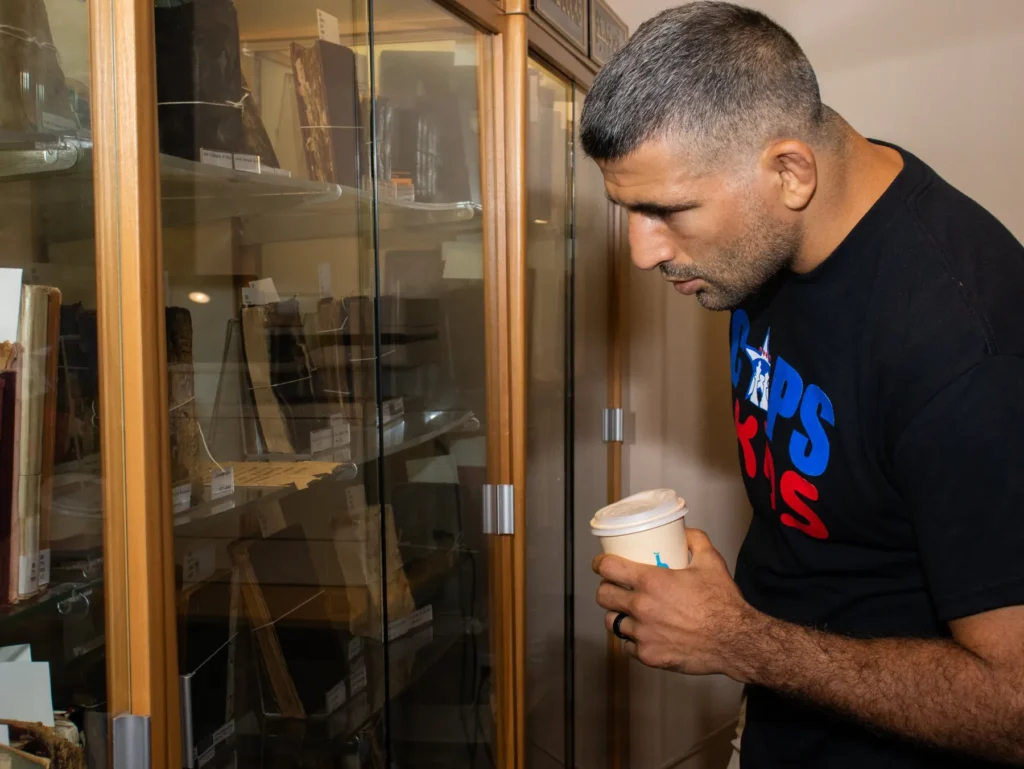
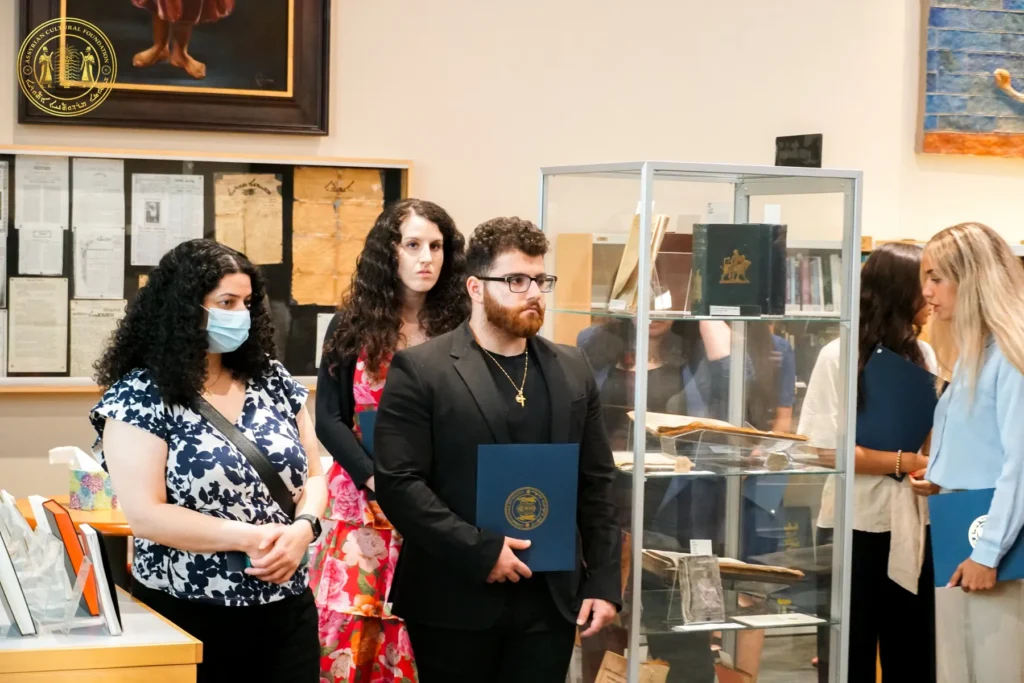
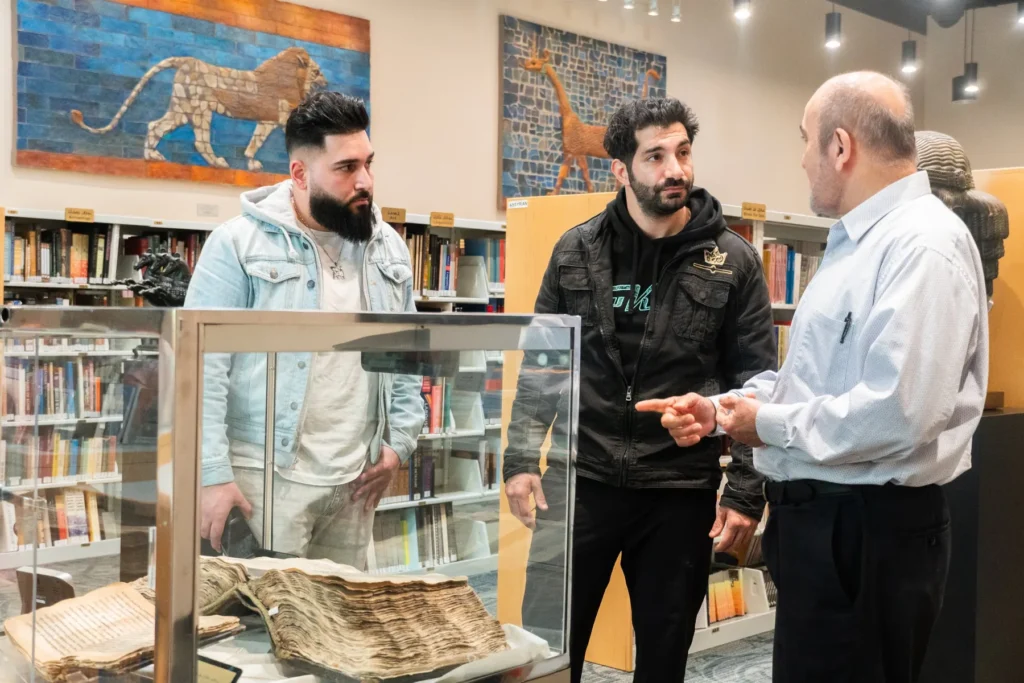
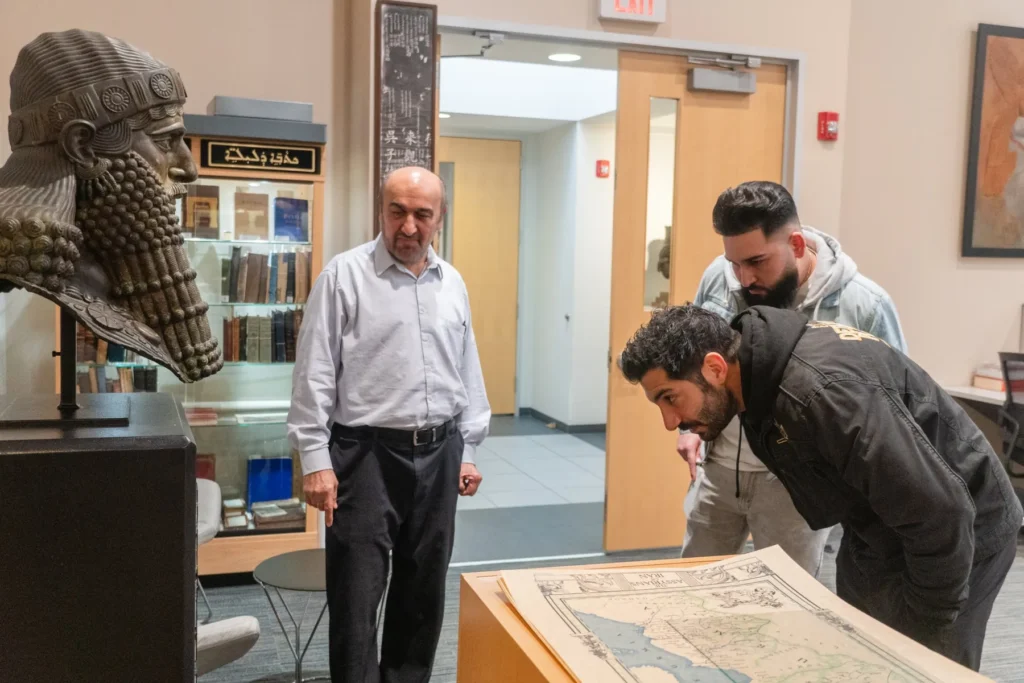
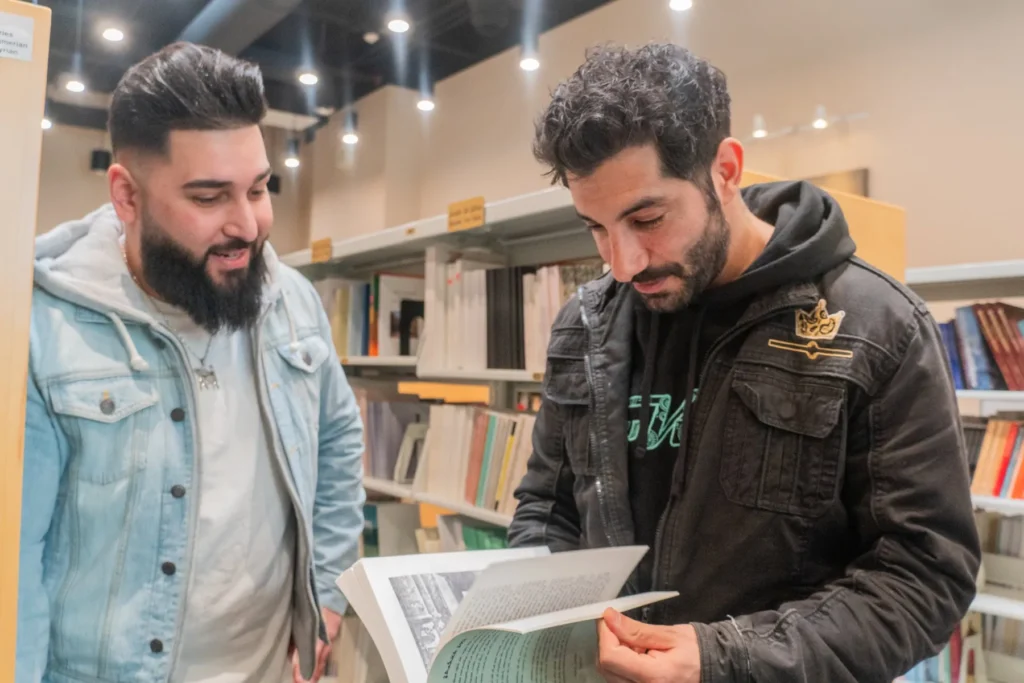
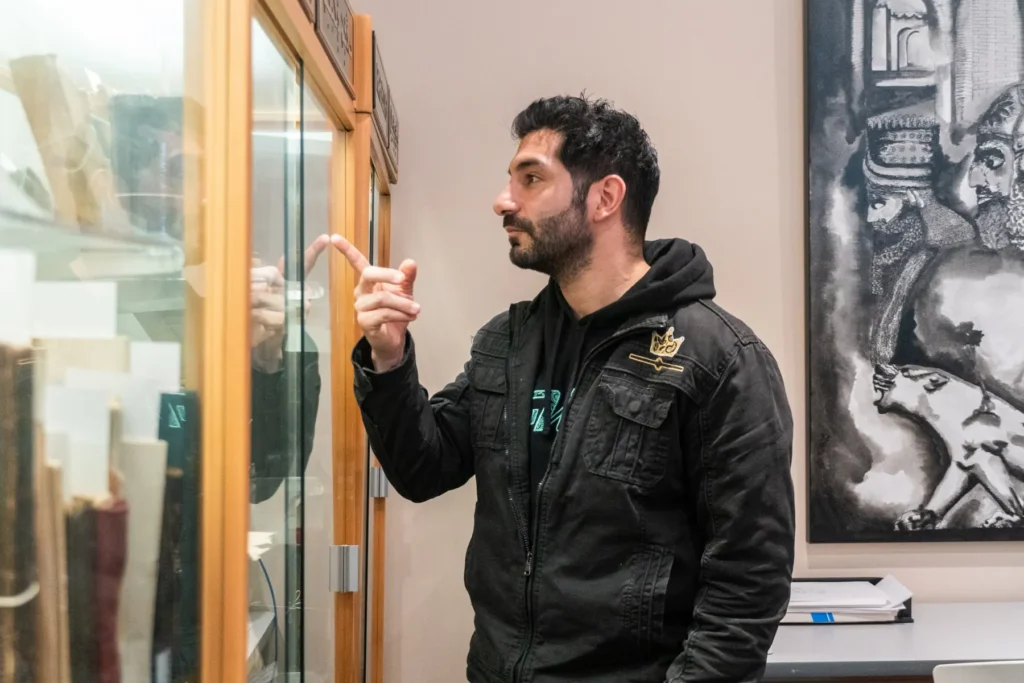
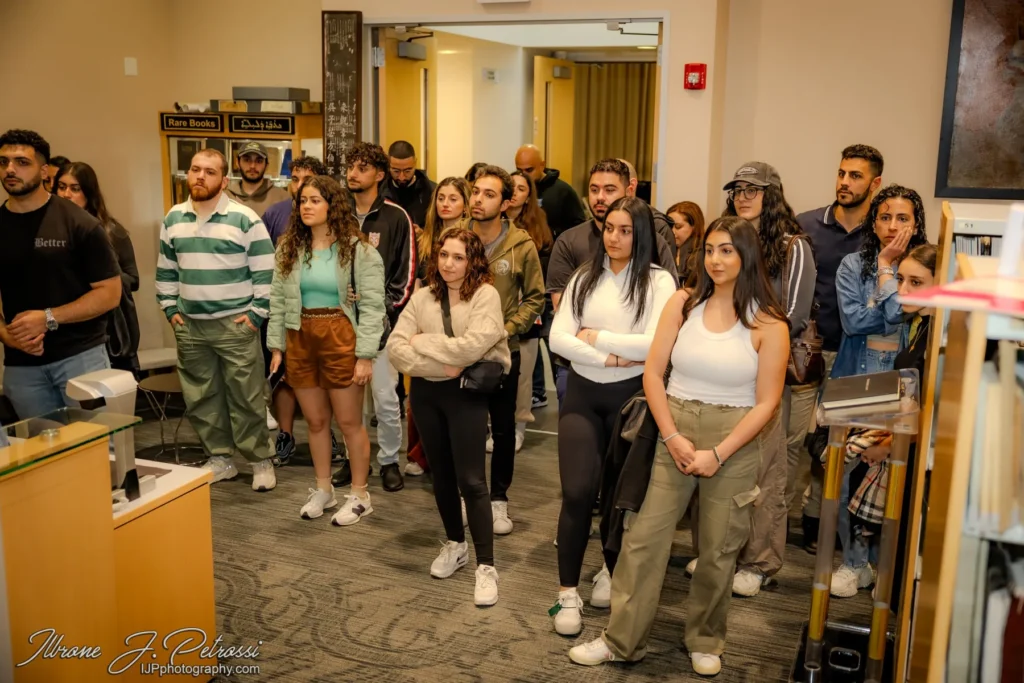
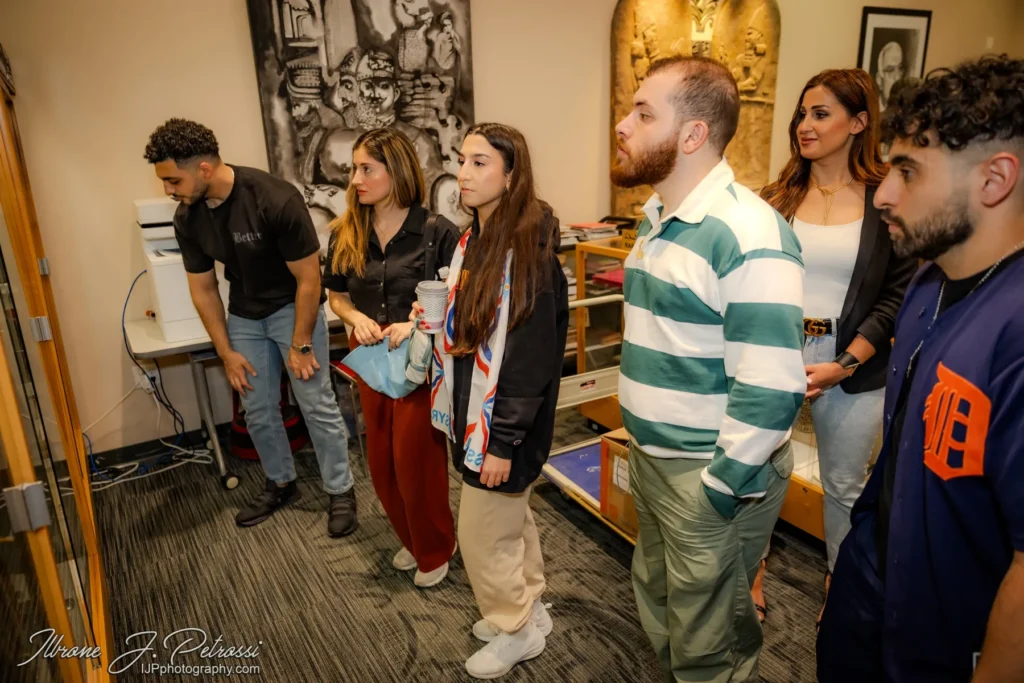
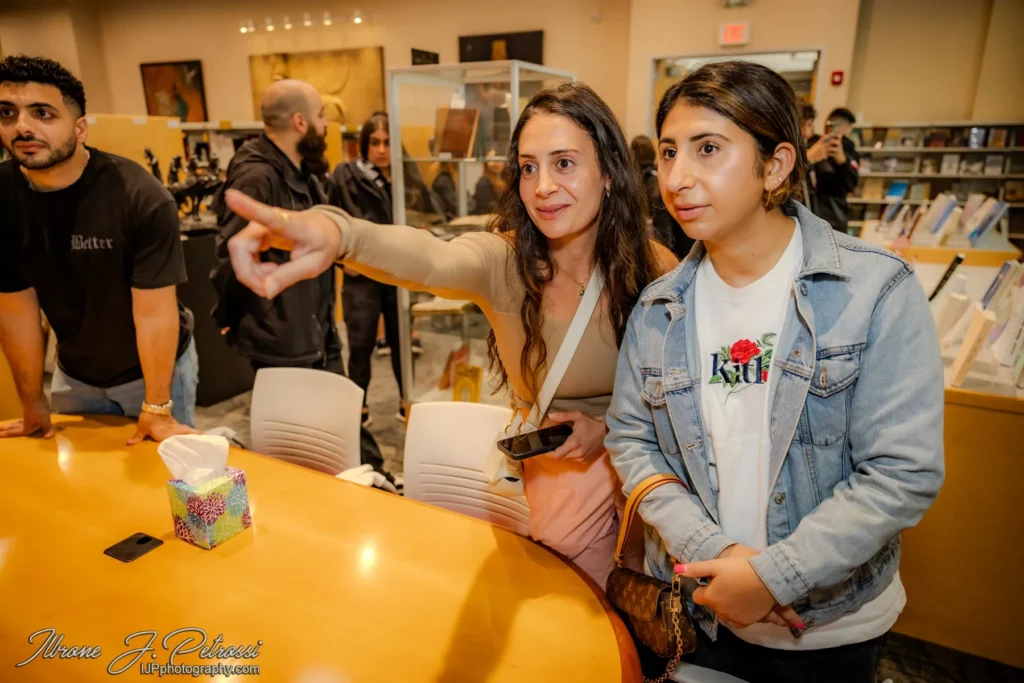
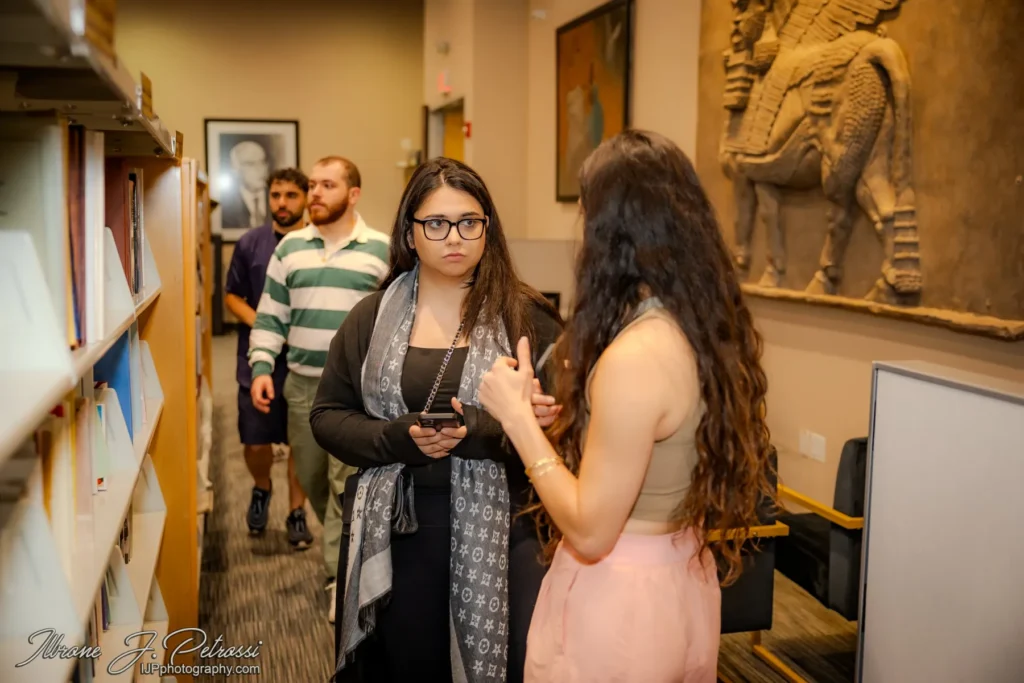
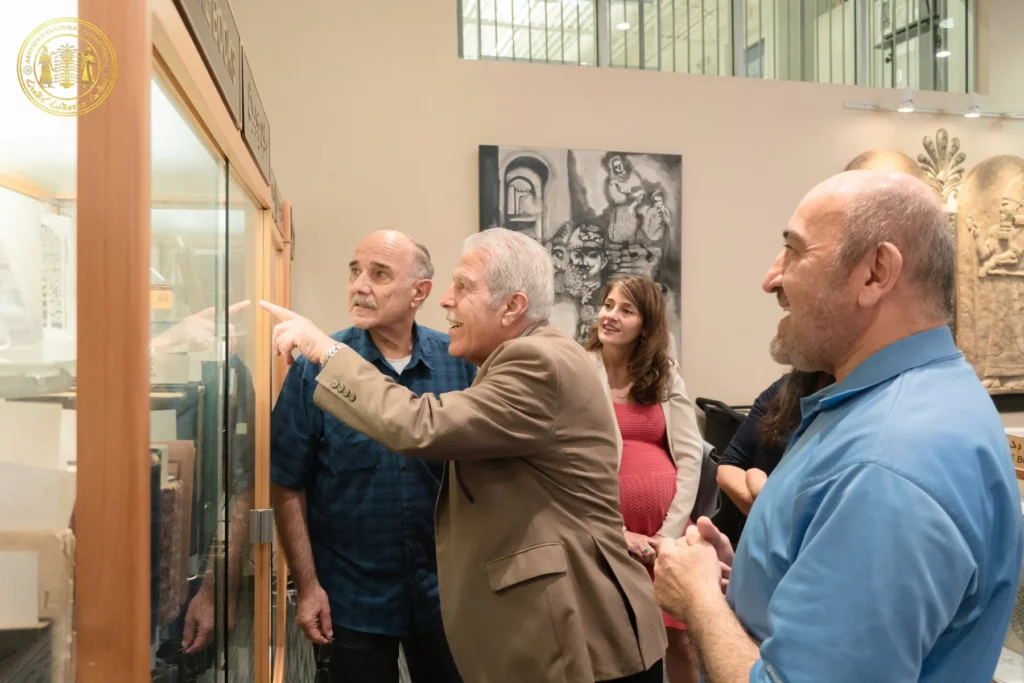
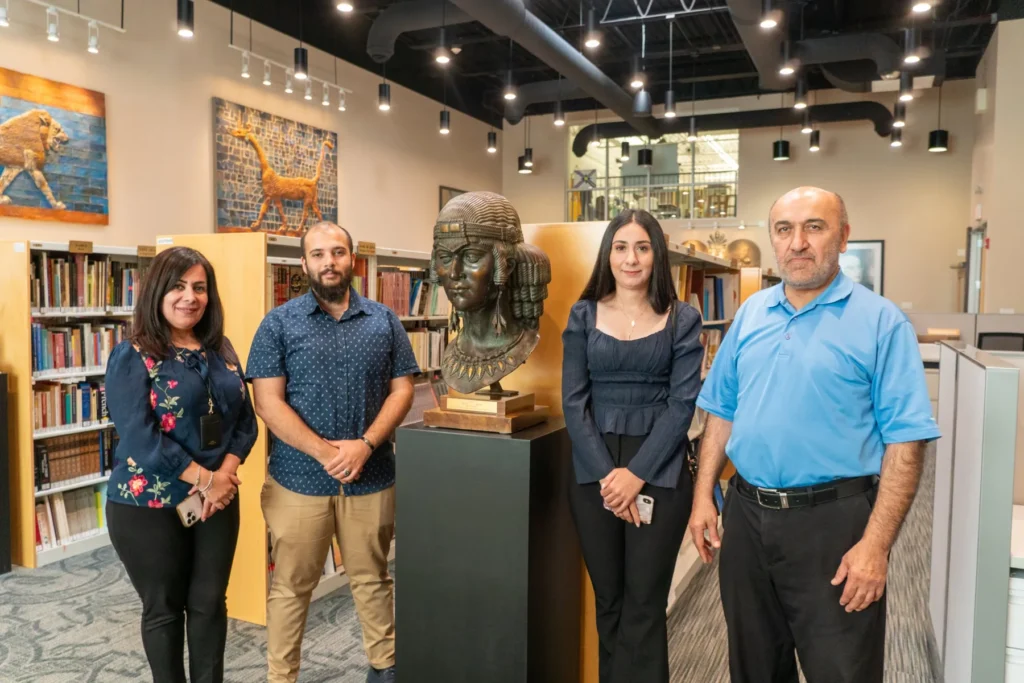
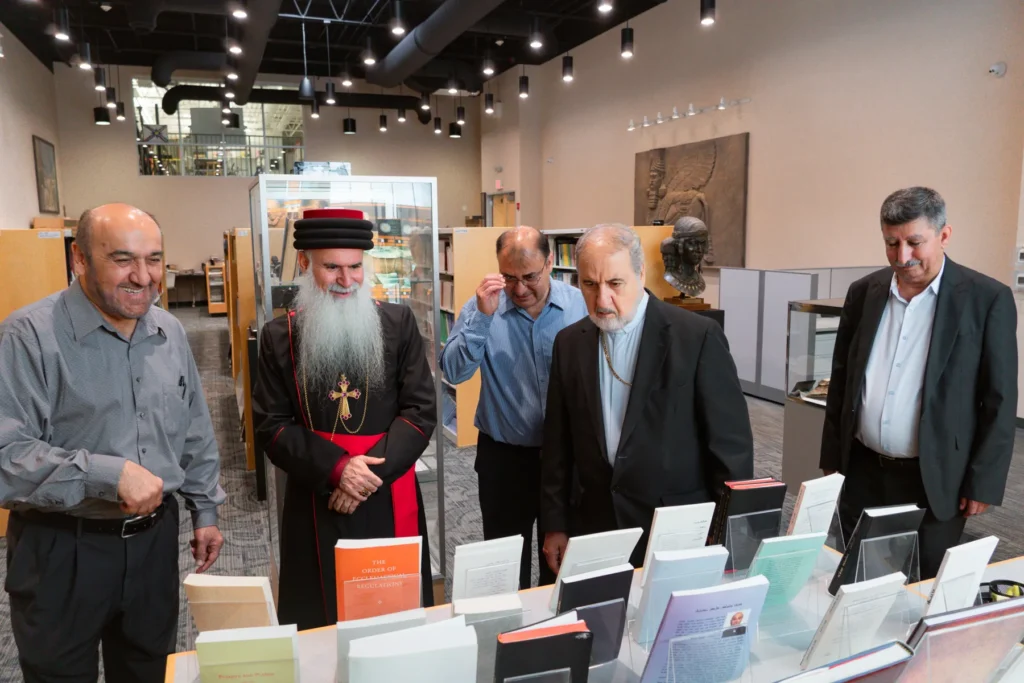
A few of the schools, groups and guests who have explored the library with us over the years.
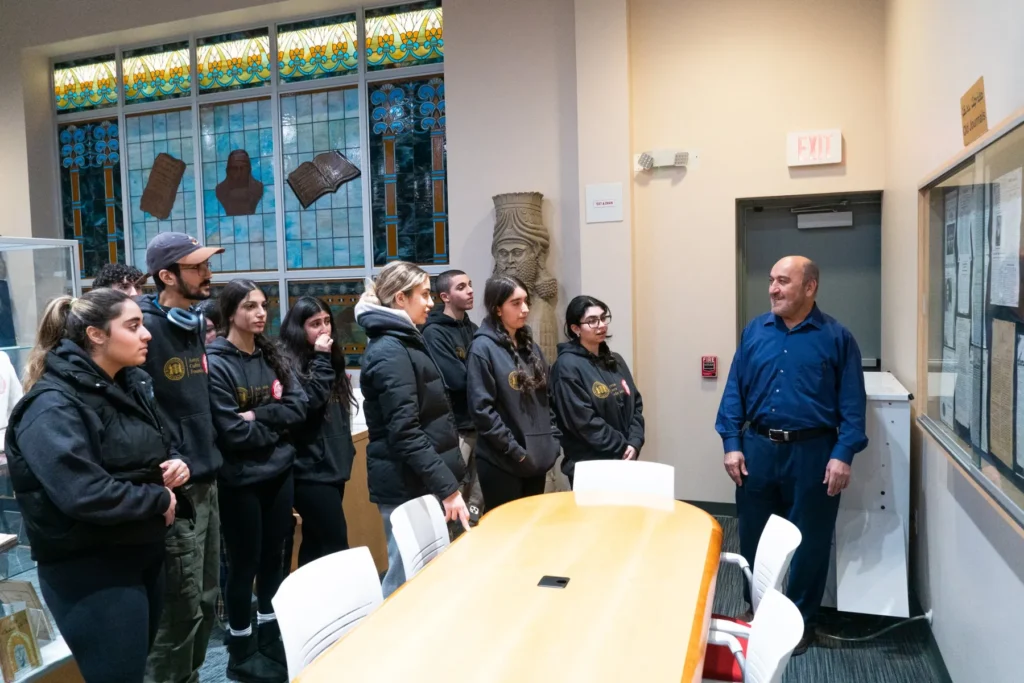
Browse by visit
Inside the library


Library staff

Ninous Yousif
Syriac Language Specialist
Sarah Gawo
Librarian
Plan your visit
Visits are by appointment. Email or call us and we will set a time that works for you.
Assyrian Cultural Foundation, 4343 W. Touhy Ave, Lincolnwood, IL 60712